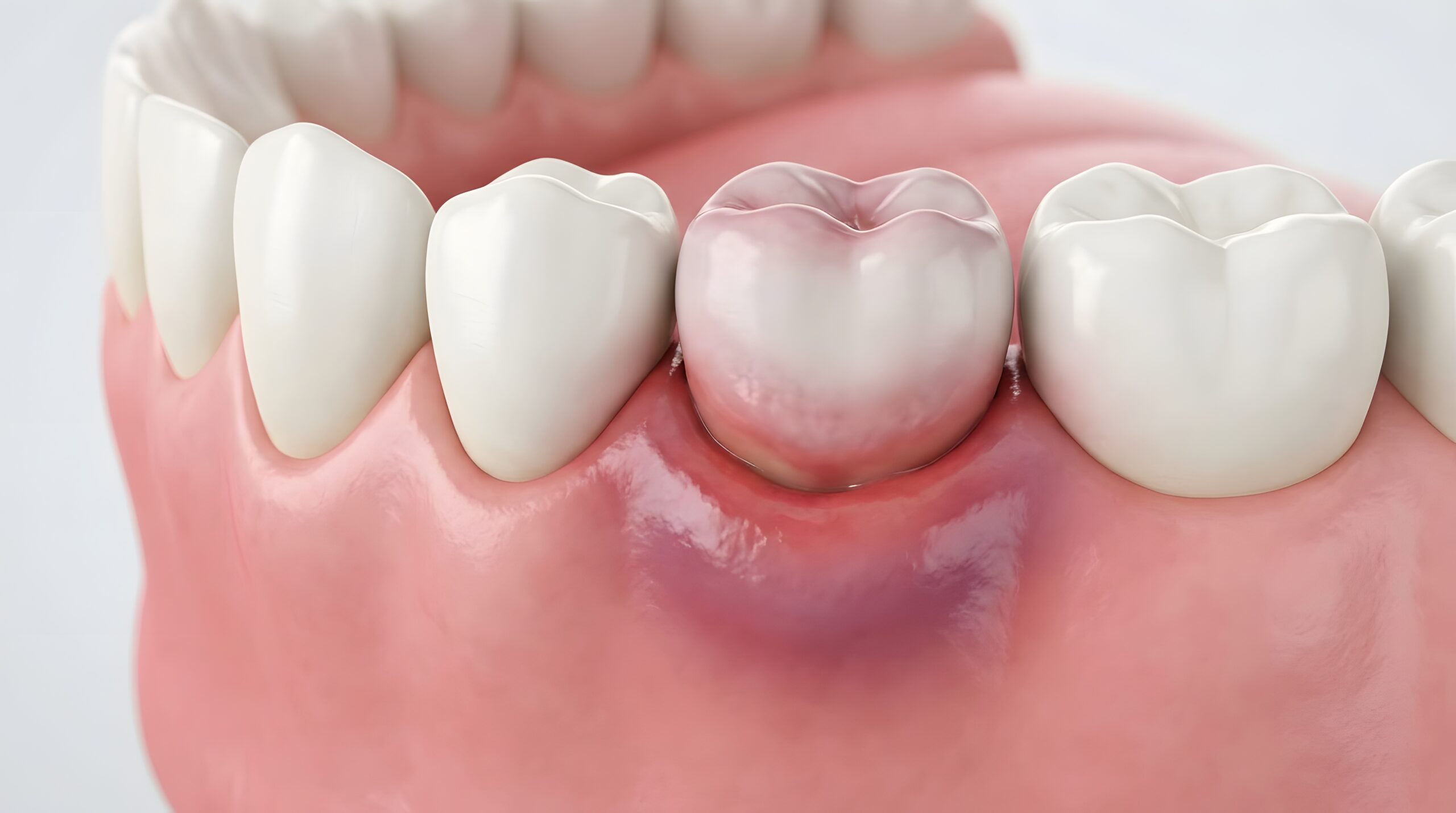
Gum disease can progress quietly beneath the gumline. What starts as occasional bleeding or tenderness can eventually affect the tissue and bone responsible for holding your teeth in place.
If you've already been told you have periodontal pockets, bone loss or advanced gum disease, delaying treatment may allow additional damage to occur.
A quick conversation can help you understand what your next step may be.
LANAP®, or Laser-Assisted New Attachment Procedure, is a minimally invasive protocol designed to address periodontal infection while preserving healthy surrounding tissue.
Instead of surgically cutting the gums and closing the area with sutures, Dr. Puri uses an extremely thin laser fiber to reach periodontal pockets and selectively target diseased tissue and harmful bacteria.
For many patients, that can mean less tissue trauma, less discomfort and a smoother recovery than they expected from periodontal treatment.
Every treatment begins with a comprehensive periodontal evaluation to understand the extent of your condition and determine the appropriate treatment.
We evaluate your gums, periodontal pockets, teeth and supporting bone.
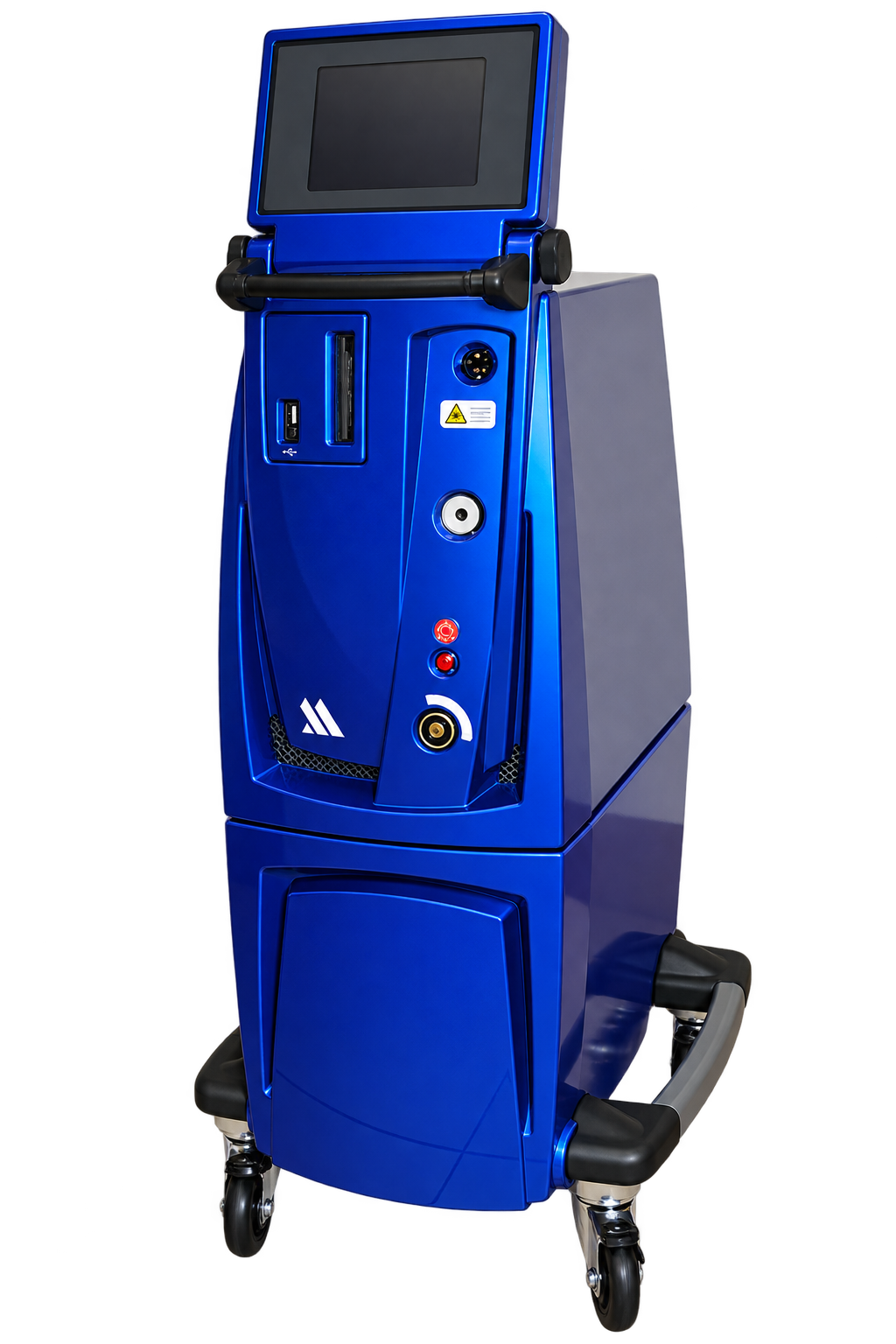
The PerioLase targets bacteria and diseased tissue inside periodontal pockets.
Deposits are removed from the tooth root surfaces to create a cleaner environment.
The treated area is stabilized to support the body's natural healing response.
Fear of painful surgery shouldn't keep you from protecting your smile. LANAP provides another approach to treating periodontal disease.
LANAP uses focused laser energy instead of traditional cutting of the gum tissue.
The minimally invasive protocol generally eliminates the stitches associated with traditional gum surgery.
Preserving more healthy tissue may contribute to a more comfortable treatment and recovery experience.
Less tissue disruption may allow patients to return to normal daily activities sooner.
Laser energy selectively addresses diseased tissue while helping preserve healthy surrounding tissue.
Controlling periodontal infection helps protect the supporting foundation around teeth compromised by gum disease.
Talk with our team about your gum health, your concerns, and whether minimally invasive laser treatment may be an option.
Gum disease doesn't improve on its own. Discover whether advanced laser periodontal treatment may help you regain control of your gum health and protect the foundation of your smile.
Hearing that you have advanced gum disease can feel overwhelming—especially if you've been told surgery may be necessary.
Our goal is to help you understand what's happening, answer your questions and determine which treatment gives you the best opportunity to regain control of your periodontal health.
If you're concerned about bleeding gums, recession, bone loss or loose teeth, schedule a conversation with our team or give us a call.
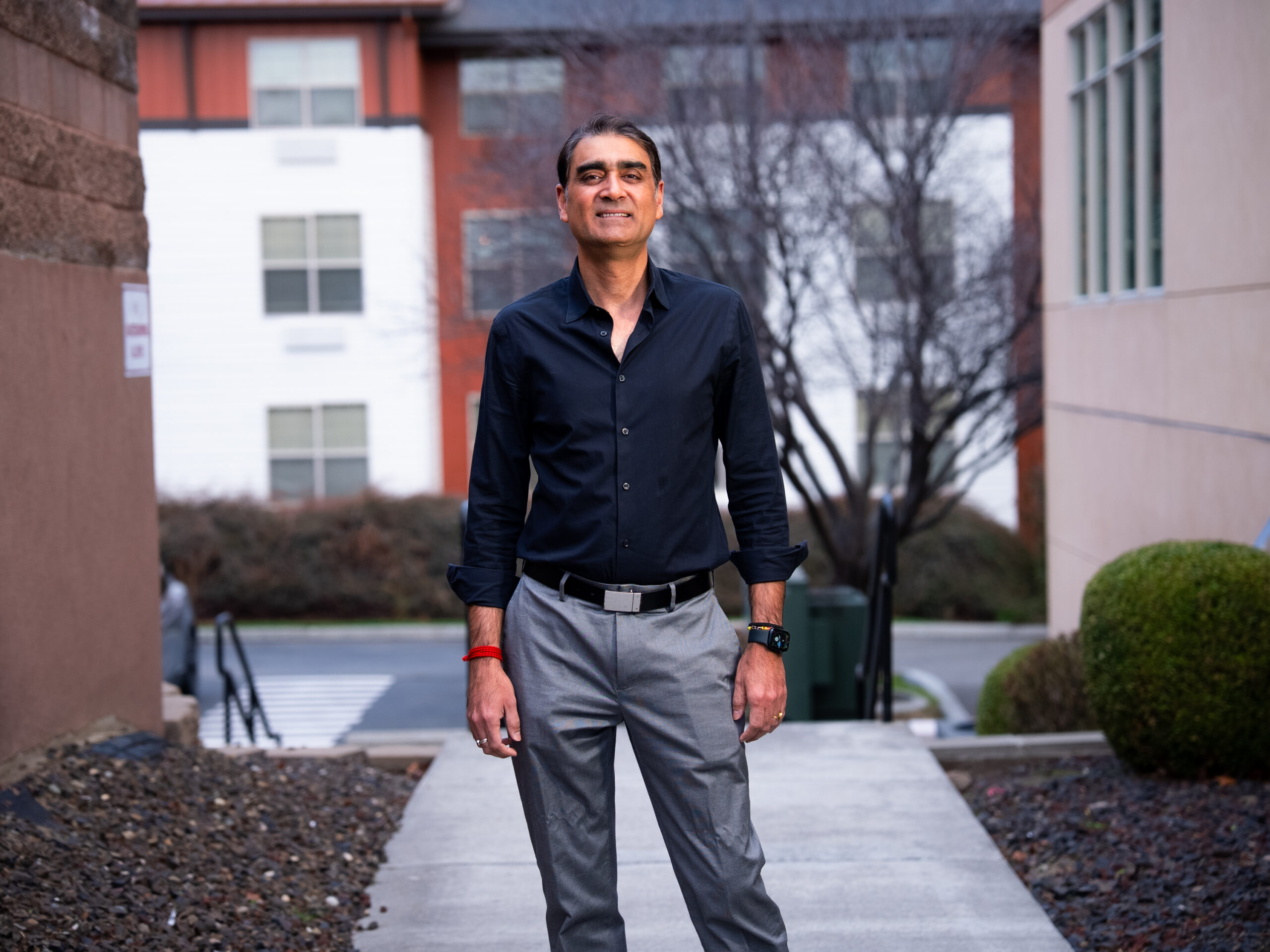
Dr. Vikas Puri is a board-certified periodontist dedicated to helping patients restore and protect the foundation of their smiles. After earning his dental degree in India, he completed extensive training in oral and maxillofacial surgery before pursuing advanced periodontal education in the United States.
At Indiana University School of Dentistry, Dr. Puri earned a Master of Science in Dentistry along with certificates in periodontics and implantology and additional study in oral pathology and oral medicine. His research involving chronic periodontitis has been published in the Journal of Periodontal Research.
In 2013, Dr. Puri achieved Diplomate status with the American Board of Periodontology. He continues to lecture on topics including periodontal regeneration, soft-tissue grafting, dental implants and laser dentistry while bringing modern periodontal technology to patients throughout the Tri-Cities.
“My procedure was fast with very little discomfort.”
— Jennifer O.“Very professional, answered all my questions in depth and put me very much at ease.”
— Gareth N.“Professional and caring, and the procedure turned out very favorably.”
— RoseLANAP may be considered for patients with periodontal disease when controlling infection and preserving natural teeth are priorities.